
Update to Post – Useful Links:
- AS1851 Webinar by FPAA for Owners – Free to watch if you sign up to the FPAA website. Highly recommend review of this information as it covers off many questions from industry and provides essential content and information for Property/Strata/Building Managers in the implementation of the standard.
https://www.fpaa.com.au/eventdetail?EventKey=ENG251211
- AS1851 Guidelines – Responsibility of Building Owners. Government guidelines written by the fire safety reference group to provide information on what to expect and how to navigate the changes.
https://www.nsw.gov.au/departments-and-agencies/building-commission/industry-changes/as1851-2012/responsibilities-of-building-owners-under-as-1851-2012
- Good Practice Guide – another document covering similar information as above. Where any questions remain unanswered following the webinar and the guidelines review, consult this.
Good practice guide for implementing AS 1851-2012 | NSW Government
The NSW Government have mandated changes to the Fire Safety Regulations for effect in February 2026.
For property owners and managers, the main changes to consider is that there are routine testing requirements across multiple asset groups that require baseline data (read more here) to be collated for the building and/or additional testing regimes to be undertaken.
Examples (by no means is the below a comprehensive list) of this:
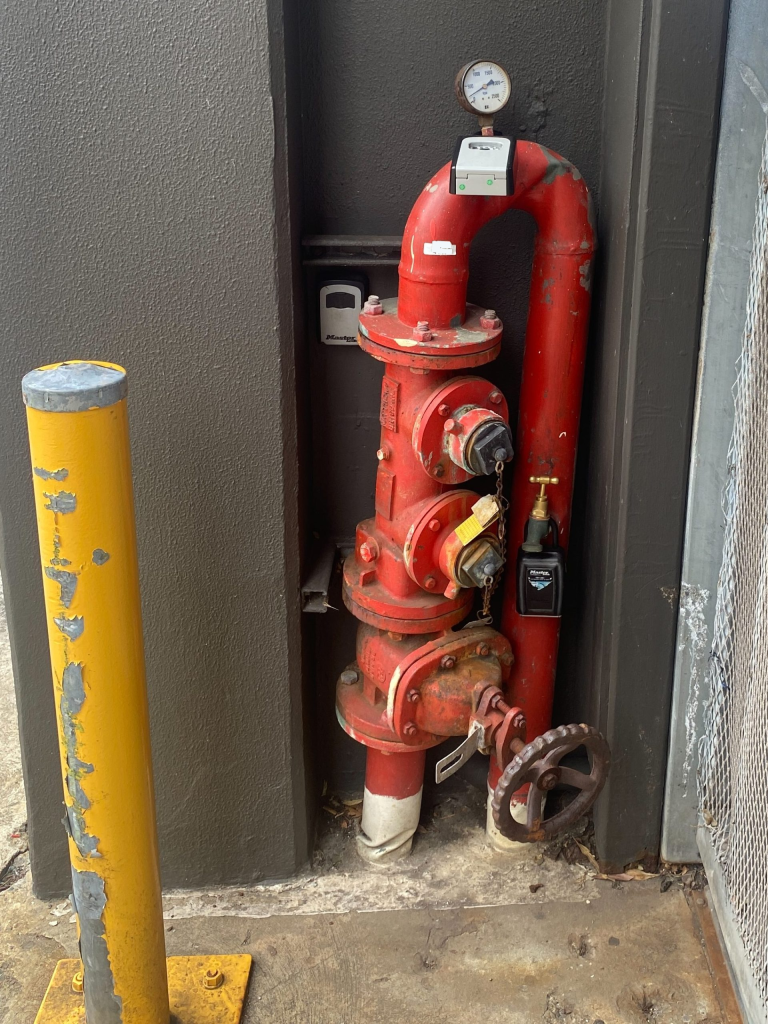
- Hydrant Landing Valves – Overhaul required after 5 years – due to labour rates in Australia this eventuates in replacement in lieu of overhaul which can be a significant cost for large sites. Most buildings have never had this work completed so would be up for this cost.
- Hydrostatic Testing – this is a pressure test of the system to ensure that the installation can keep up with critical requirements should it ever be called on in a real fire. This is an important test to demonstrate the performance of the system and should be undertaken by competent professionals with the right equipment and knowledge to reduce any associated risks.
- Sprinklers – For older buildings head testing is required after an extended period of time which requires that a sample of heads are removed and replaced and sent off to a lab to be tested. As long as they pass the test the others can remain for a further duration, if they fail then you are up for replacement works etc.
- Passive fire register for penetrations/dampers at the site which forms a list of items that the maintenance contractor should verify (where practicable) on a routine basis to ensure that the firestopping is maintained year on year. Typically these registers are not present and the penetrations are not sufficiently fire stopped, our recommendation to owners is to proactively obtain quotes for passive registers and inform themselves of the situation within their building. We note that AS1851-2012 Amendment 1 as endorsed by NSW Government does not explicitly call for passive registers however, they form an important part of the data required to accurately test and maintain the building. We also note that with the changes to legislation, fire contractors will be paying significantly more attention to these items which have been historically ignored in many instances. Getting the right team to inspect and diagnose the issues is essential as many fire companies are not well versed in passive and typically subcontract out all associated works at additional cost to building owners.
Read more about passive registers here.
Other changes that are not scope related to the buildings are such as below:
- Opportunity to amend Fire Safety Schedule/Measures on AFSS – Word of Warning: get your reasoning right as otherwise council may inspect themselves and issue a fire order for subsequent changes required.
- For new buildings and large projects under CDC and DA there are additional design and certification requirements for works. This is typically positive as it means 100% design up front plus independent sign off, which is best practice. FRNSW are also now a mandatory stakeholder for all performance solutions which can add an extra couple of weeks to the design approval phase.
Fire Safety Upgrades
Note that where extensive works are required to achieve fire safety upgrades at a property there are alternative methodologies such as obtaining a voluntary fire order which alleviates some processes and costs – not applicable or recommended in every scenario but highly recommended where onerous upgrade requirements are called for as there is more flexibility in a voluntary Fire Safety Upgrade compared to a DtS Building Upgrade under CDC or DA.
Contact Us for Further Information
If you have any questions about this or would like advice on how to proactively manage your property ensuring compliance while minimising the impact to the owners and residents, reach out via the contact form.
